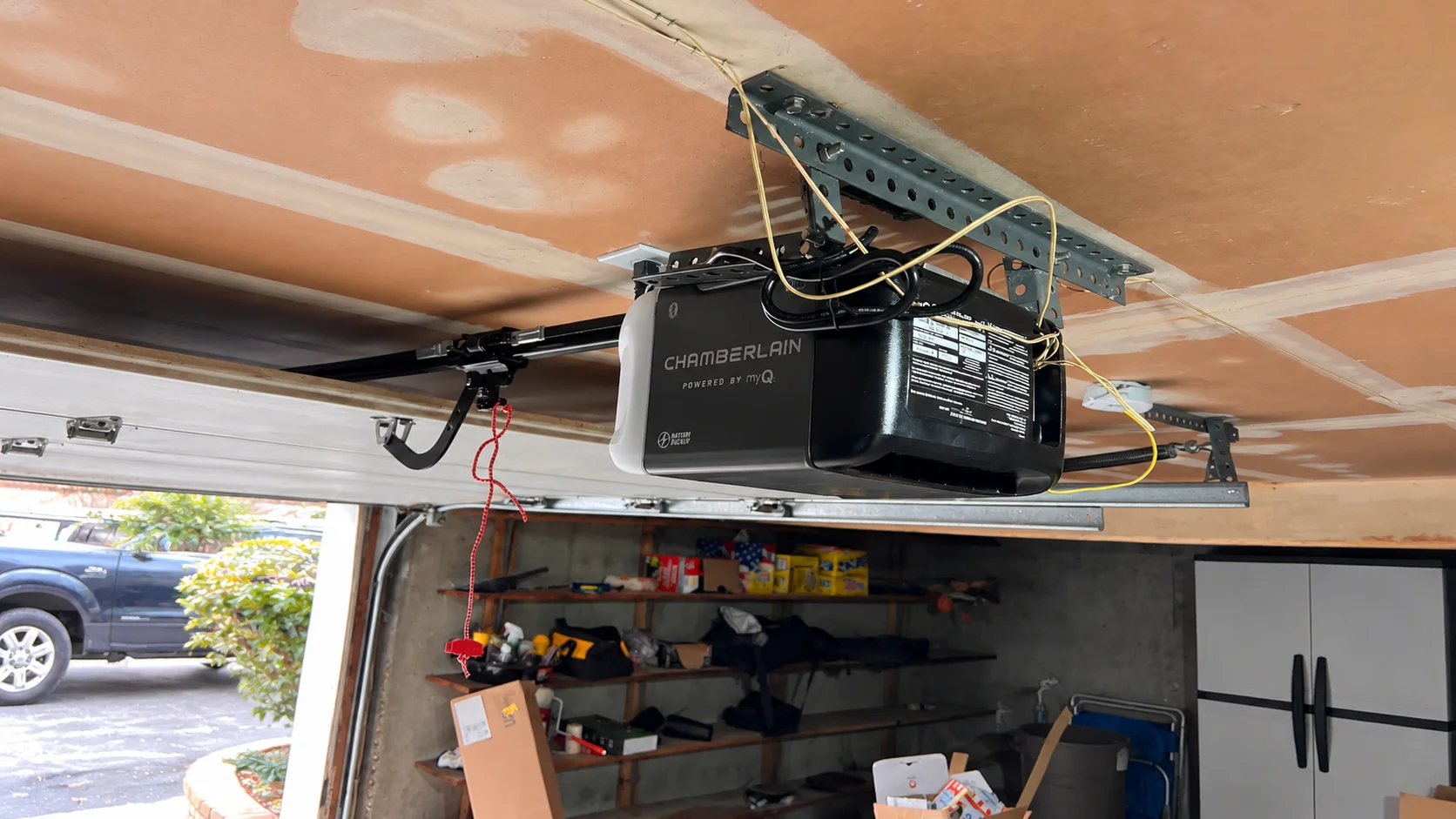
If your garage door is making unusual noises, understanding the common causes and their solutions can empower you to address the issues effectively. Garage door noise can stem from various factors, particularly in Santa Cruz County, where climate conditions can exacerbate wear and tear. By identifying these noises and knowing when to seek professional help, homeowners can maintain their garage doors in optimal condition.
Common Causes of Garage Door Noise
Garage doors typically produce noise due to friction or looseness within the system. Common culprits include loose screws, worn rollers, and the effects of humidity. Loose fasteners can cause panels and hinges to rattle, while worn rollers may develop flat spots, leading to a rolling thump or squeal. The type of rollers used can also impact noise levels; for instance, nylon rollers tend to operate more quietly than metal ones. Additionally, vibrations can be transmitted through the opener hardware, contributing to the overall noise. A technician will often start their inspection at the rollers and hinges when the noise is persistent.
It is essential to recognize that some noises may indicate an impending failure. For example, if you hear a loud snap and the door becomes stuck or crooked, it is crucial to stop using the system immediately and keep people clear of the opening until a professional can inspect it. This approach helps prevent further damage and ensures safety.
DIY Maintenance Tips
Homeowners can perform some low-risk checks to differentiate between minor maintenance issues and problems requiring professional intervention. Start by cleaning the tracks with a dry cloth to remove dust and sticky residue, as a clean track allows the rollers to function correctly. Lubricating moving joints with a small amount of garage-door-safe lubricant on hinge pins and roller stems can also help reduce friction. However, avoid applying lubricant to springs, cables, or the track itself. Observing and documenting the noise during an open and close cycle can provide valuable information to a technician, helping them diagnose the issue more effectively.
When a technician arrives, they will begin by listening to your description of the noise. Specific details, such as when the noise occurs and its characteristics, can guide them in their inspection. They will confirm the cleanliness of the tracks, check the condition of the rollers, and inspect hinge wear patterns. The technician will isolate the source of the noise by listening to each component, ensuring they identify the correct issue without unnecessary guesswork. This diagnostic process is crucial, as it allows them to focus on the right components and set boundaries around safety-critical parts that should not be adjusted without professional expertise.
When to Call a Professional
Some symptoms indicate that immediate professional intervention is necessary. If you notice visible damage to cables or springs, or if the door fails to open or close properly, these are red flags that should not be ignored. In such cases, it is essential to seek urgent help from a qualified technician.
In Santa Cruz, the local climate can affect garage door operation. Increased humidity can lead to added drag, resulting in squeals or sluggish movement at the start of travel. While light cleaning and lubrication may help, persistent noise or hesitation often indicates a more significant underlying issue that requires professional assessment.
Understanding Repair Costs
Understanding the typical repairs and their associated costs can help homeowners prepare for potential expenses. Common repairs include maintenance-level services, such as cleaning tracks and tightening fasteners, which generally cost less. Component replacements, like worn rollers or hinges, are more involved and may increase costs. Operator-side repairs, such as adjusting chain or belt tension, also fall into a higher cost tier. Safety-critical repairs, particularly those involving cables or springs, can be the most expensive due to the complexity and risk involved. The cost of repairs can vary significantly based on the specific issues identified during the technician's assessment.
Making the Right Decision: DIY or Professional Help
Deciding between a DIY approach and calling for professional service can be straightforward. If your actions involve observation, cleaning, or applying a small amount of lubricant to visible components, you are likely in the safe zone. However, if you encounter any of the red flags mentioned earlier, it is best to schedule urgent service and keep the area clear until help arrives.
For homeowners in Santa Cruz County, local assistance is readily available. We Do Garage Doors offers same-day residential repair services from their Capitola location, ensuring prompt response times and familiarity with local garage door issues. Their services encompass spring, opener, cable, and roller repairs, as well as new installations, allowing for comprehensive solutions in a single visit.
Conclusion
For related details, review Emergency Garage Door Repairs: What Homeowners Need to Know and Garage Door Panel Repair vs. Replacement: How to Know Which You Need.
Maintaining a quiet garage door is not merely a matter of comfort; it is indicative of proper functioning. By listening to the noise patterns, performing low-risk maintenance, and knowing when to call in professionals, homeowners can ensure their garage doors operate smoothly and safely. Understanding the common causes of garage door noises and their solutions can empower homeowners to address issues effectively and know when to seek professional help.