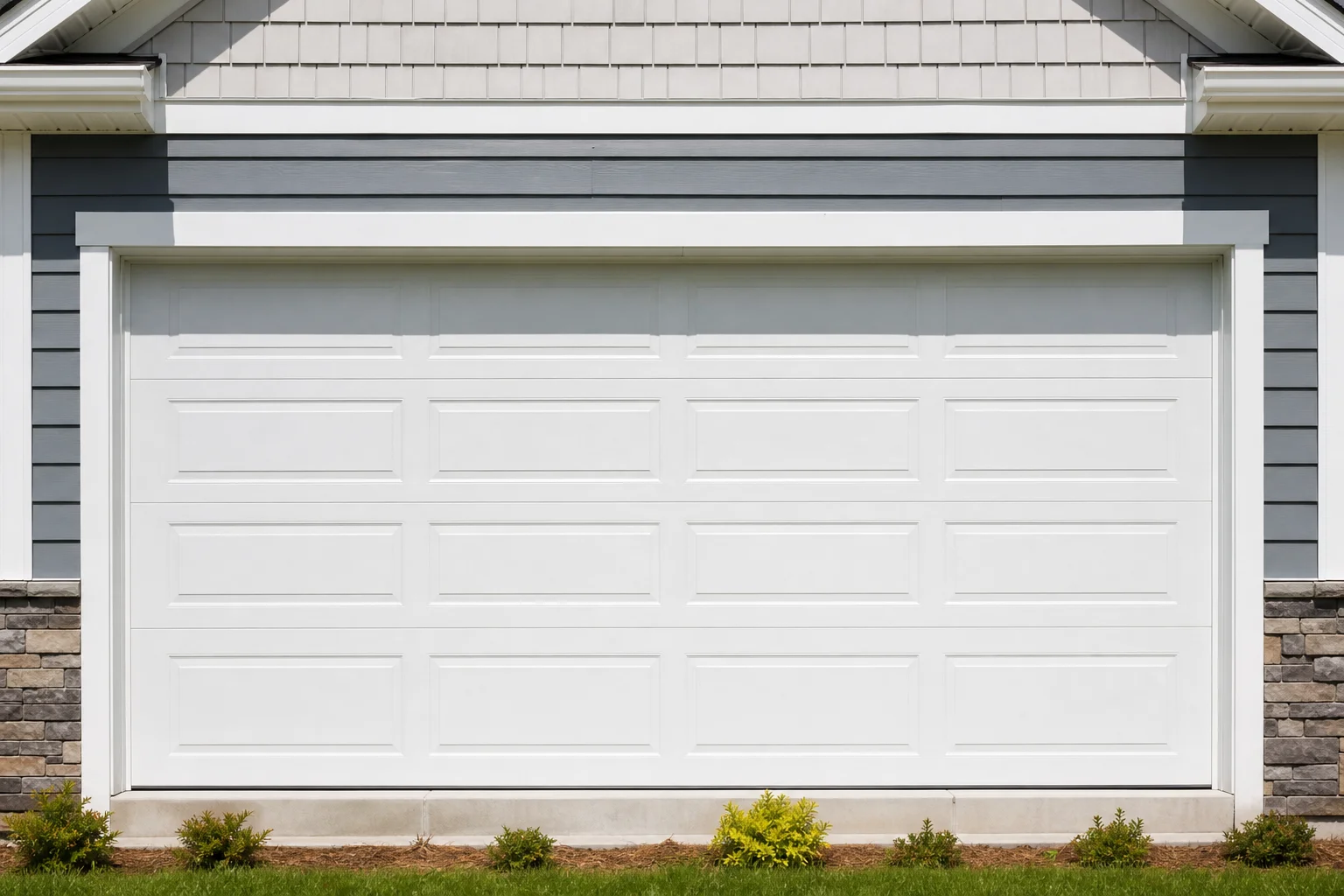
What a proper installation visit actually includes
A local garage door installation visit should start with exact measurements of your opening and a clear look at the condition of your existing door panels. That assessment tells you whether a repair will do the job or a full replacement is the smarter, safer choice.
From our first step on the driveway, we work to eliminate surprises. That means measuring the finished opening, verifying headroom and backroom, noting track style and spring setup, and checking how your existing opener interfaces with the door.
Repair first when panels are sound
Replacement should not be the default. This approach saves disruption and keeps a familiar look that matches the house. We counsel replacement when panels are cracked, warped, delaminated, or otherwise beyond practical repair, or when you want a different style, material, or window pattern. That is the time to talk about a new door.
During the visit, we will separate symptoms from causes. A door that looks “tired” can sometimes be brought back with new rollers, cable work, or a spring system that is correctly sized for the door weight. The key is objective evaluation before you commit.
What a complete installation scope should cover
Once replacement makes sense, your scope should be specific. You should see the door model or construction type, track and spring configuration, and whether new perimeter seal and bottom seal are included.
If you are also changing the opener, the visit should cover wall control placement, safety sensor positioning, and how the motor will mount in relation to the new door’s travel. Opener work has its own best practices, from confirming the door is balanced before hanging the motor to programming and testing after installation. When it is time for a new operator, our dedicated page on garage door motor installation outlines how we handle remove, install, program, and test.
Timing, access, and what to expect on the day
Homeowners and property managers want to know how long installation will take and how to prepare. If you are scheduling around deliveries or tenant move-ins, read our guide on how long garage door installation takes for a practical overview of the timing drivers and what happens before, during, and after the installation day.
On the day, clear access is a big help. After the door is up, we will cycle with the opener and confirm travel limits and operation so the system runs smoothly in daily use.
Local coverage that shortens the wait
When you search “garage door installation near me,” proximity is not a slogan. We operate two staffed shops that anchor our coverage: Santa Clara for the South Bay and Capitola for Santa Cruz County. This dual-location setup means we can schedule promptly, arrive with the right parts, and return quickly if you decide to change a design detail after the initial visit.
For multi-property managers, that same footprint translates to coordinated visits across both counties with one point of contact.
Questions to ask at the visit
A good installation visit should leave you confident about what is being installed and why. Use these questions to keep the conversation practical and specific:
- Based on your measurements, is my current door a candidate for repair, or is replacement the better value and safety choice?
- Which door construction are you quoting, and how does that affect durability and noise?
- Will the existing tracks, springs, and hardware remain, or are they being replaced to match the new door?
- How will the new door interface with my opener, and do you recommend any operator changes now?
- What does removal and disposal include, and how will you protect the garage during the swap?
- After install, what tests will you perform to confirm balance, smooth travel, and safe operation with the opener?
That is what you should expect when you invite a local team to your driveway.