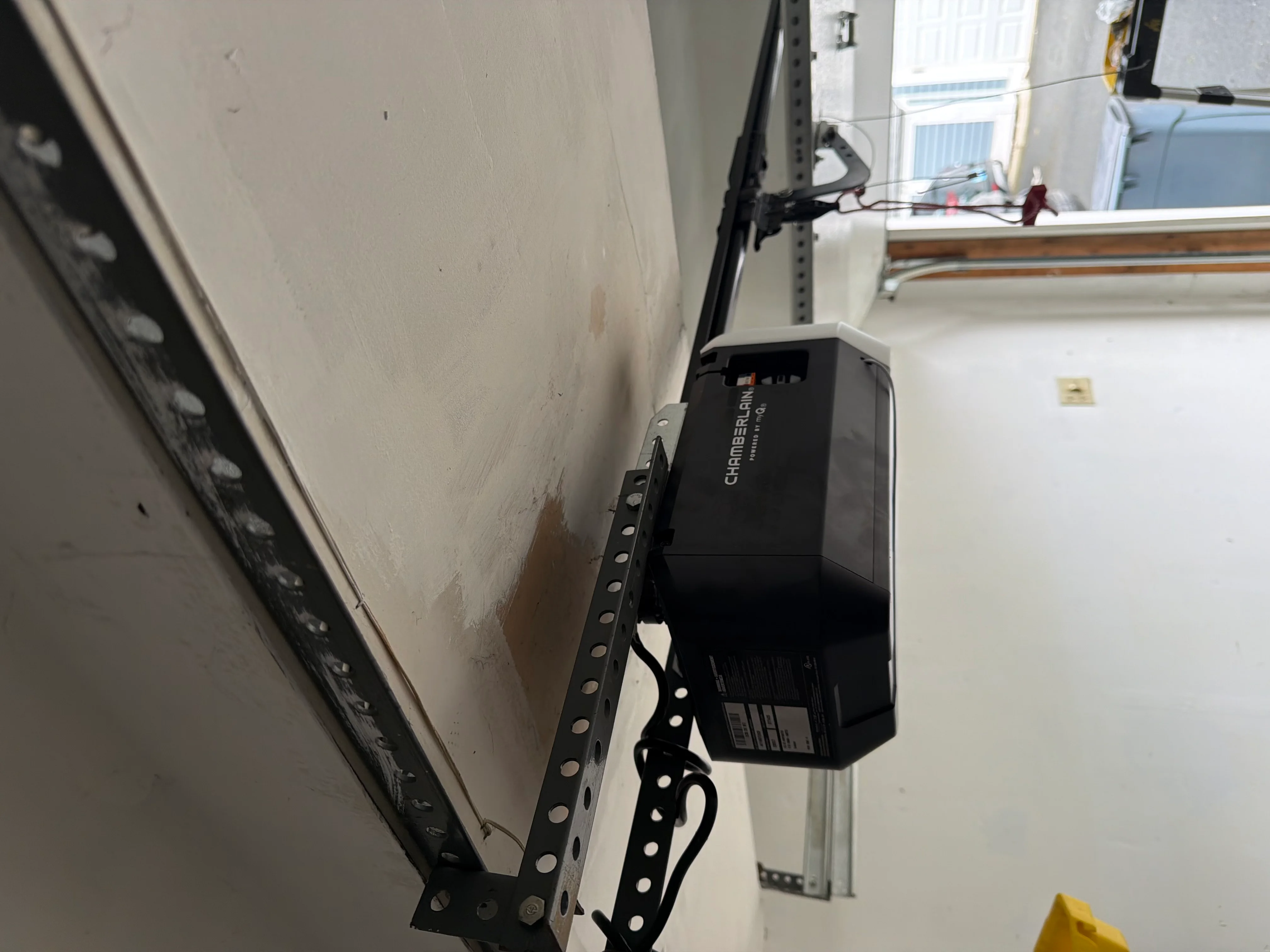
Consistency is essential for a healthy garage door opener. Homeowners should be vigilant for signs of malfunction, such as sluggish operation, unexpected reversals, or complete non-responsiveness. These symptoms often indicate underlying issues that require attention. Unusual noises, like grinding, rattling, or clicking, can also serve as early warnings. For instance, a grinding noise may suggest worn gears, while a clicking sound could indicate a problem with the logic board. If your garage door opener is unresponsive to remotes or keypads, it may be more than just a simple battery issue.
Smart features can introduce additional indicators of trouble. If the app frequently disconnects, schedules fail to execute, or the Wi-Fi indicator cycles without reconnecting, these patterns warrant further investigation. Despite the technological advancements, the fundamental operation of the opener remains the same: it should run smoothly, reverse when necessary, and respond consistently to commands.
Homeowners can perform several low-risk checks before calling for professional help. Start by replacing the remote or keypad battery and ensuring that the wall control is not in “lock” or “vacation” mode. Confirm that the opener is plugged in and that the outlet has power; if a nearby GFCI has tripped, restoring it can bring the outlet back online. If the opener lights flash in a specific pattern, noting the number of flashes can help a technician diagnose the issue. Additionally, if you use an app, ensure you are signed in and that your home Wi-Fi is functioning properly. Avoid performing repeated factory resets without a proper diagnosis, as this can complicate troubleshooting.
While conducting these checks, it is crucial to keep people clear of the opening and seek professional service if necessary. For a quick reference while you check safely, visit our page on Garage Door Problems and Warning Signs, which explains what is reasonable to observe and what should wait for a technician.
Understanding what drives repair versus replacement costs can help homeowners make informed decisions. The age and condition of the garage door opener significantly influence these choices. An older unit with limited parts availability or repeated failures may be a candidate for replacement once basic repairs cease to hold. Additionally, the scope of the issue is critical; sometimes, what appears to be an opener problem is actually related to the door resisting movement. Including these findings in the estimate can prevent unnecessary follow-up visits. It is wise to ask the technician to separate opener work from door hardware work to see what each contributes to the total cost.
Features and accessories also play a role in repair decisions. If you rely on keypad entry, vehicle remotes, or an app, these should be included in the conversation, as replacing a logic board or operator may require pairing or replacing compatible accessories. Homeowners should confirm whether the proposed repair allows for the continued use of existing remotes and controls. A practical rule of thumb is to repair when a clear, contained fault is fixable with readily available parts and to replace when failures are cascading, parts are scarce, or the fix does not restore consistent performance.
A residential opener can run reliably for many years when it operates a door in good condition and is kept within its design limits. Many homeowners experience a decade or more of reliable service under normal use. However, if your door begins to operate louder or rougher, it is important not to normalize this behavior. The safest and most cost-effective approach is to pause use and schedule a check before the operator is forced to handle a mechanical problem. For a quick way to match a symptom to a safe next step, refer to our guide on Garage Door Problems and Warning Signs.
Routine maintenance practices can significantly prolong the life of a garage door opener. Homeowners should regularly inspect the opener and door hardware for signs of wear and tear, lubricate moving parts, and ensure that the door tracks are clean and free of debris. Annual professional inspections are also beneficial, as a technician can confirm that the door hardware is moving freely and that the opener is not compensating for mechanical drag. This is particularly useful for property managers and homeowners overseeing multiple residences, where catching the first sign of trouble can prevent disruptive downtime later.
For related details, review Identifying Common Garage Door Noises and Their Solutions and How to Enhance Your Home Security with a Reliable Garage Door System.
Finally, a crucial safety reminder: never bypass or defeat the safety features of your opener. These features exist to protect people and property. If a safety device seems to be causing issues, it is essential to have a professional address the condition rather than attempting to override it. When you are ready for a clear diagnosis and a fix that restores consistent, safe operation, start with our page for Garage Door Opener Repair in Santa Clara.