Common Garage Door Questions
usually come down to four decisions: is it safe to use, is it a repair or a replacement, does your town require a permit, and what can you check yourself first. In Santa Clara and nearby towns, the right answer often depends on which part failed, how old the door system is, and whether you are changing the door, motor, or exterior appearance. Most people are dealing with a door that is noisy, crooked, stuck, or suddenly too heavy, which can compromise home security and disrupt daily routines. The useful next step is to sort the problem into safe DIY checks, permit questions, and clear repair-or-replace rules. If you have doubts, it helps to ask early.
Common Problems with Garage Doors
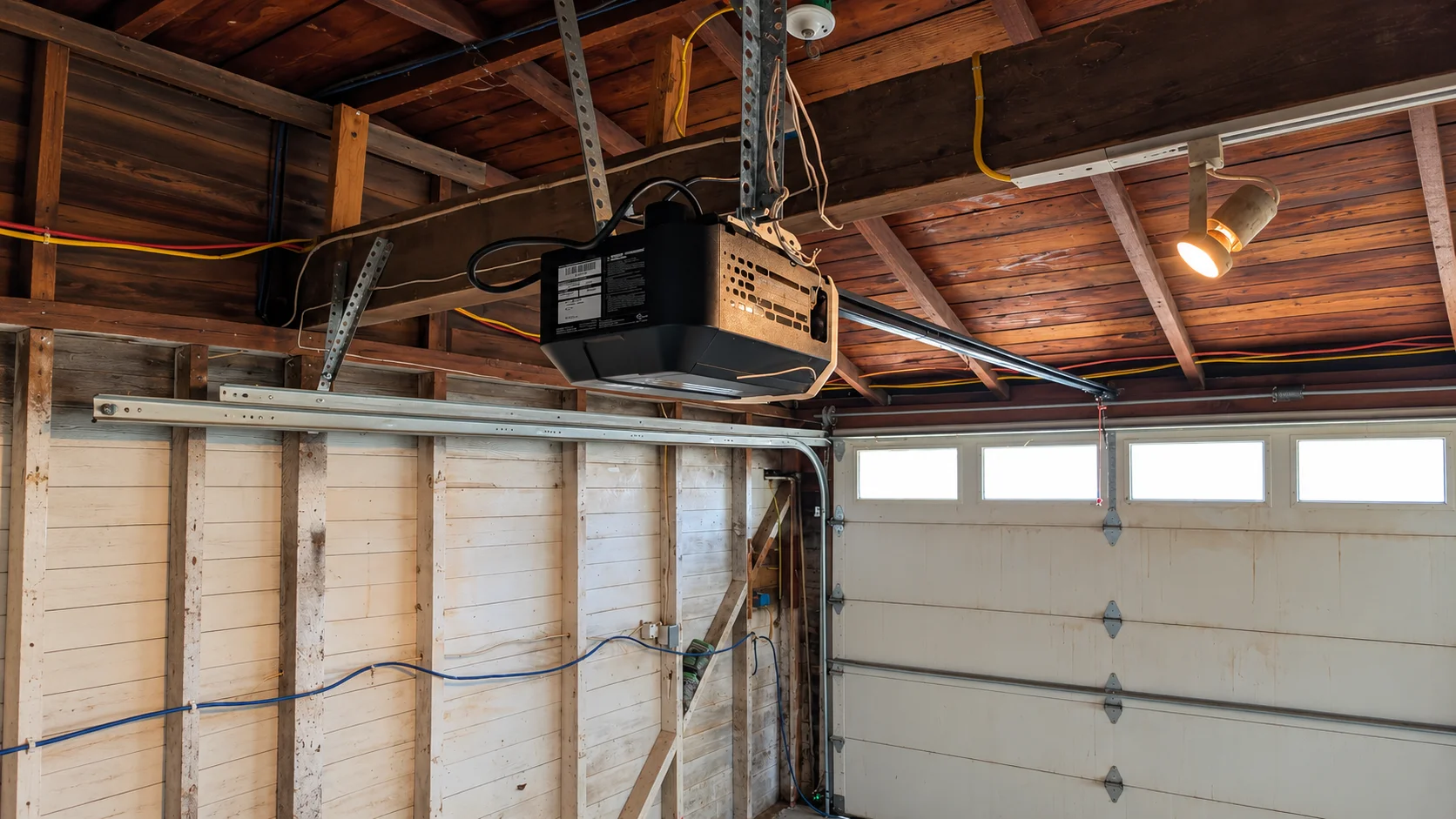
The most common problem is a door that will not open or close smoothly because a spring, opener, cable, or roller has worn out. Springs do the heavy lifting, rollers help the door travel in the track, cables carry the spring force, and the opener is the motorized unit that moves the door. For many homes, the first clue is a door that feels heavier than usual or stops partway. A grinding sound, jerky movement, or a door hanging unevenly points to hardware trouble, not just a remote issue. If the door starts down and reverses, the problem may be in the safety sensors or travel settings.
Troubleshooting Steps
A simple battery change helps only when the wall button still works and the door moves normally. If the wall button fails too, the problem is farther into the system. Many owners searching for garage door repair are dealing with failed moving parts, not a bad handheld remote. More than one worn part often shows up at the same time, especially after a spring breaks.
Understanding Quotes and Bids
Two quotes may differ because they are not pricing the same scope of work. One may cover only the failed part, while another may include related wear parts that are already near the end of their life. This is particularly important with springs, cables, rollers, and opener rails. When comparing bids, ensure that the quote states the exact failed part, includes related parts being replaced, specifies door size and material, notes the opener type and symptoms, confirms balance and safety tests, and clarifies permit responsibility if needed. A lighter single door and a heavier insulated double door are not the same repair, and the quote can also change if the track is bent, the mounting wood is damaged, or the opener was undersized from the start. The safest way to compare is line by line. If one quote sounds much lower, check what it leaves out.
Safety Precautions
Never loosen, cut, or remove a torsion spring, extension spring, lift cable, or bottom bracket yourself. The spring stores force under tension, and the bottom bracket is the metal fitting at the lower corner where the cable attaches. Those parts can release violently. Do not pull the red emergency release when the door is stuck open or hanging crooked, as that cord disconnects the opener from the door. If the spring or cable has failed, the full door weight can drop fast once the opener is no longer holding it. Never stand under a door that is moving unevenly, clamp vise grips or improvised hardware onto cables, or keep running the opener after a loud bang, which often means a broken spring. If a vehicle is trapped inside and the door is unsafe, the right question is not how to force it but whether the opening can be made safe first.
Permit Requirements
Your town's permit office decides permit and inspection requirements for your home, while your HOA determines what may show from the outside. In Santa Clara, confirm with the Santa Clara building department. In San Jose or Sunnyvale, check with your town's building department instead. A like-for-like repair on existing hardware may not trigger a permit, but a new garage door, new motor installation, added wiring, or structural framing changes may. If the opener needs a new electrical connection, the town may want that work reviewed. An HOA can also affect the decision if the new door changes windows, panel style, color, or visible hardware. This is more significant in planned developments than in simple inside-the-garage repairs. For urgent failures, the safety issue comes first. If the door is stuck open or will not secure, emergency garage door repair service may be the practical first step while you confirm what your town's permit office requires afterward.
Keeping Your Garage Door Closed
Closed is usually better unless you are actively using the space and can watch the opening. An open garage invites dust, leaves, heat gain, and easy access. In Santa Clara County, summer weather is often dry enough that open doors collect grime quickly. If the garage gets hot, opening the door can help for short periods when you are working inside, but it is not the best cooling plan for an unattended space. The larger issue is what the sun does to the door and opener. Heat can harden weather seals over time and stress older motors if the door is already out of balance. To reduce heat buildup, check the bottom seal for gaps, look for cracked side weather stripping, keep the door fully closed when the garage is empty, and vent the space only while you are present. If the door reverses in bright afternoon light, the sensor lenses may need cleaning or slight realignment.
Safe DIY Checks
You can perform several safe checks in under 10 minutes without touching high-tension parts. Start with power by ensuring the opener is plugged in and the outlet works. Then check the remote battery and try the wall button. Next, look at the photo eyes, the small safety sensors near the floor on each side. Most manufacturers mount them low on the track area so they can detect a child, pet, or object. If one lens is dirty or one sensor got bumped, the door may refuse to close. Use this order: test the wall button, check the opener power, wipe both sensor lenses, look for something blocking the tracks, and listen for humming, grinding, or a single click. Stop there if the door is crooked, heavy, or partly open; do not force it by hand.
Repair vs. Replacement
Repair makes sense when one failed part caused the problem and the rest of the system is still in solid shape. Replacement is warranted when the door, opener, and hardware are all aging together, or when the door itself is damaged enough that repair leaves you with a weak system. A rule of thumb is to choose repair when one spring, cable, roller set, or sensor has failed, the opener suits the door weight, the tracks and mounting points are sound, and you like the door's appearance. Conversely, choose replacement when the door panels are cracked, bent, or separating, the opener struggles even after adjustment, the framing or track support is damaged, or you want a new exterior look or better insulation. Door balance is a deciding factor; if the opener keeps doing all the work because the door is too heavy, repeated repair becomes poor value. A replacement also makes more sense when parts for an older opener are hard to match. If the issue is only a broken wear part, replacing the whole door is often more than you need.
Repair Time Expectations
Most crews finish many common repairs in one visit, though the actual time depends on the failed part, door condition, and whether matching components are on hand. A sensor adjustment or opener setting correction is often shorter than a spring or cable repair. Bent tracks, damaged wood backing, and multi-part failures add time. Most homeowners care less about the exact clock time than the interruption. If the door is your main entry, even a short delay matters. Response speed counts as much as wrench time. We Do Garage Doors provides same-day garage door repair services across the South Bay and Santa Cruz County. With staffed shops in Santa Clara and Capitola, they focus on fast response for homes that cannot wait on a stuck, open, or unsafe door. A quick repair is only a good repair if the technician also checks balance, alignment, and reverse safety before leaving.
Getting Help
For related details, review The Benefits of Garage Door Roller Repair Services.
If the door is crooked, too heavy, or hanging open, stop using it and keep people clear. If it still moves normally, do the safe checks first, then decide whether you are dealing with a simple sensor problem, a repair, or a larger replacement. If you want help sorting that out, contact We Do Garage Doors with a few photos, your rough door size, and what worries you most. You can use contact We Do Garage Doors or call (408) 290-5673. If the issue is urgent and the home will not secure, We Do Garage Doors also offers emergency garage door repair service.